Dec 16, 2025
Blog

Hanna Kron, DKC Director of Affiliate Marketing
& Cate Casparius, DKC Affiliate Marketing Strategist
Affiliate Marketing isn’t just buzz—it’s an emerging marketing channel driving billions in sales every year, and chances are you’ve already clicked an affiliate link without even knowing it. As the industry surpasses $12 billion in U.S. spending in 2025, the way brands, creators, and consumers connect is evolving faster than ever. An industry that was once notorious for finding the best discounts or kick-backs, hassince transitioned into an avenue for brands to drive incremental revenue and seek an untapped network of new customers.
At DKC, we analyzed the most notable trends in the affiliate marketing industry that we suggest brands implement in 2026 to get ahead of the curve. These strategies can help diversify your programs and target the right customers that actually convert for you.
1. Creator storefronts are booming.
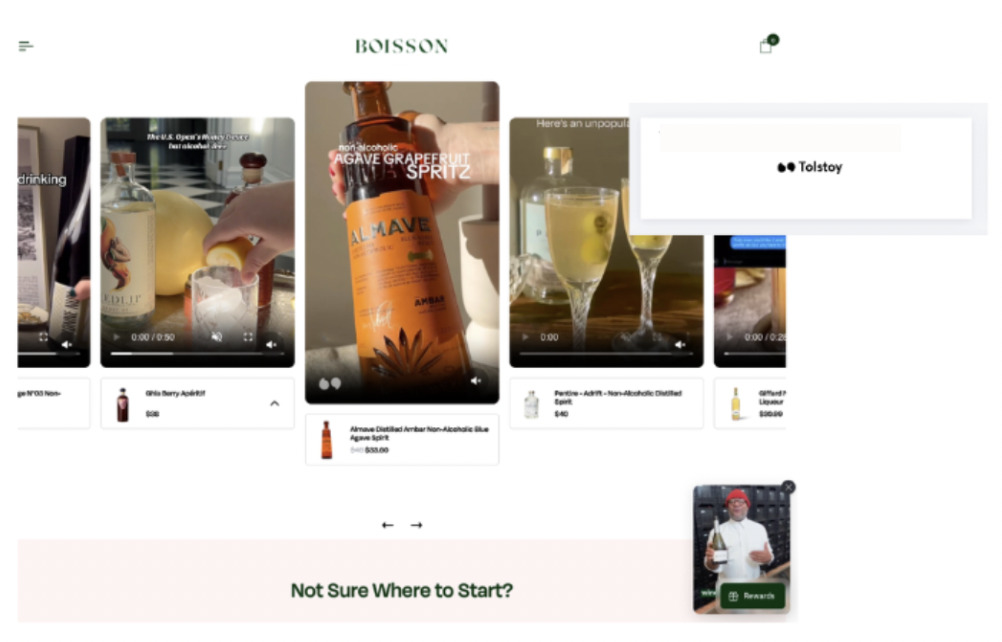
ShopMy and LTK now reach a combined network of more than 185,000+ creators and over 40 million monthly shoppers, setting the pace for the creator commerce market’s rapid expansion. This success is driving broader industry adoption, with major media platforms like Condé Nast preparing to launch their own creator storefront, Vette, in 2026. Meanwhile, Substack is evolving beyond newsletters into a powerful affiliate sales channel, enabling creators to build loyal audiences all while integrating affiliate links within their cross channel content. Reporting transparency has continuously become a big topic of conversation amongst our brands, and these networks are adopting new features to enhance performance KPI tracking. We are using platforms like ShopMy to get UGC and test assets across other paid and organic channels. Additionally, we are using technologies like Tolstoy, to boost on-site conversion rates, average order values, and advertising effectiveness.

2. TikTok Commerce is redefining affiliate sales.
TikTok continues to revolutionize affiliate marketing with rapid growth in in-app shopping and creator monetization features. In 2025, TikTok facilitated over 5 million daily orders in the U.S. alone, marking it as a critical channel in e-commerce strategy. Projected to generate $16 billion in revenue in 2026, TikTok One and TikTok Shop are now essential channels for brands to incorporate in their affiliate strategy.
Key TikTok Commerce stats for 2026:
- Over 5 million daily orders in the U.S. in 2025
- Projected $16 billion in global revenues in 2026
- Creator revenues boosted by 50% through enhanced in-app shopping tools
- TikTok Shop enables creators to tag products in videos, shortening sales funnels
- Affiliate-driven content on TikTok nearly doubled creator income between 2021 and 2024
- Livestream shopping events on TikTok drive high engagement and conversions
3. Retail-led innovation is leveling the affiliate playing field.
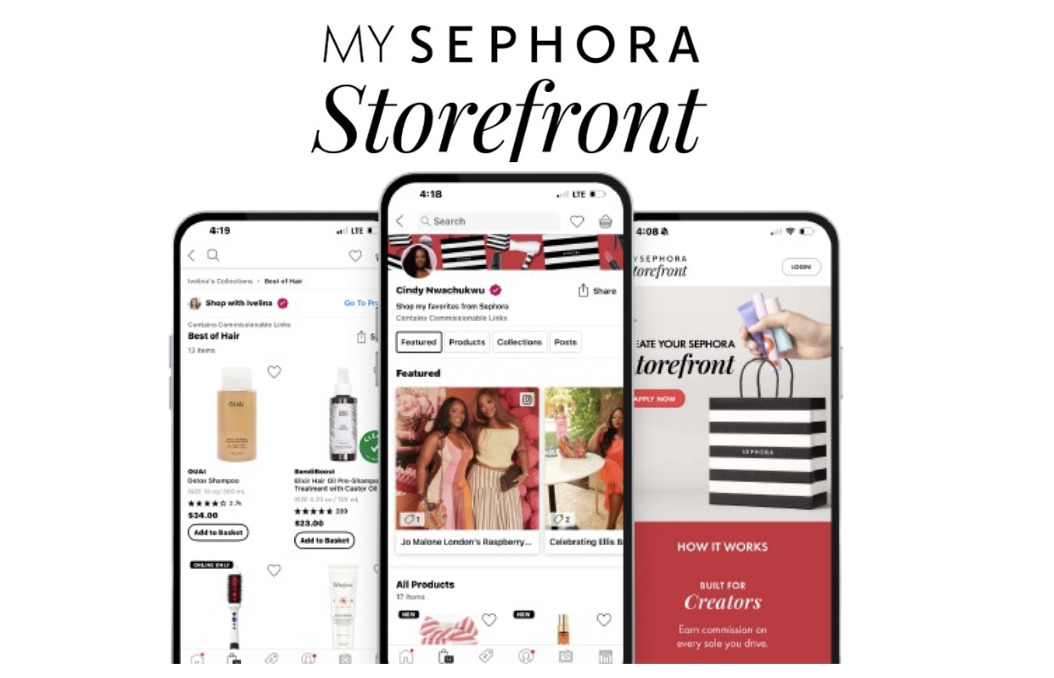
Retail giants like Amazon, Walmart, and Sephora are transforming affiliate marketing by rewarding creators and brands with increased commissions and transparent, real-time reporting through dedicated affiliate storefronts. Historically, there was little to no tracking visibility with other retailers, making it challenging for brands to optimize accordingly. Within the initial weeks since launching the My Sephora Storefront, over 1,000 creators activated shoppable storefronts, surpassing Sephora’s initial projections and signaling strong industry momentum. As more customers are purchasing household items and groceries online, the desire to incorporate an affiliate model is apparent. This retail-driven shift gives third-party sellers and lower-margin brands, especially in the CPG space, new opportunities while delivering better measurement and ROI for marketers.
4. Athlete NIL (Name, Image, Likeness) partnerships open fresh affiliate avenues.
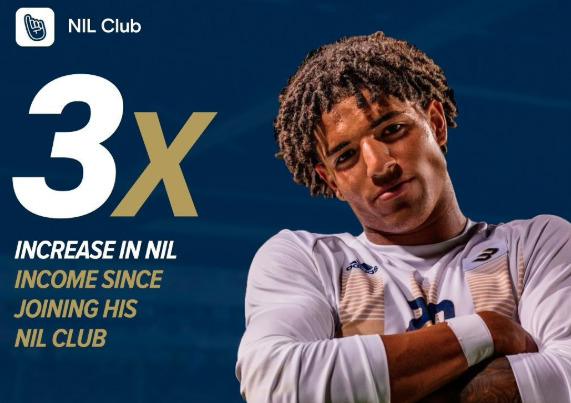
As NIL legislation continues to reshape athlete-led marketing, over 540,000 college athletes are now authorized to monetize their personal brands and the influence of athlete creators is expected to surge in 2026. Many of these partnerships involve promoting products, exclusive collaborations and storefronts, and affiliate sales integrated directly into athlete-driven content, positioning NIL athletes as a powerful new channel for brands seeking authentic, relatable marketing. This shift not only enhances brand authenticity but also provides a scalable way to tap into the loyal, campus-focused followings of emerging athlete creators heading into 2026. We use sites such as NIL Club to leverage their network of thousands of athletes to negotiate partnerships with the right students and brands.
5. Card-linked offers (CLOs) are next-gen loyalty boosters.
By linking credit cards to loyalty rewards, shoppers enjoy instant benefits at checkout both online and in-store. This seamless integration delivers real-time discounts, cashback, and personalized promotions that are customized based on purchase history and interests. For brands, CLOs offer a premium channel to target affluent, engaged consumers while driving measurable conversions and strengthening loyalty without compromising brand prestige. There are even opportunities to leverage CLO at brick-and-mortar store locations to reward shoppers in person and digitally. The credit card space continues to be an important part of a customer’s purchase journey, through cards like Capital One and Chase, and with airline rewards affiliates.
6. AI-powered shopping tools are transforming discovery and conversion.
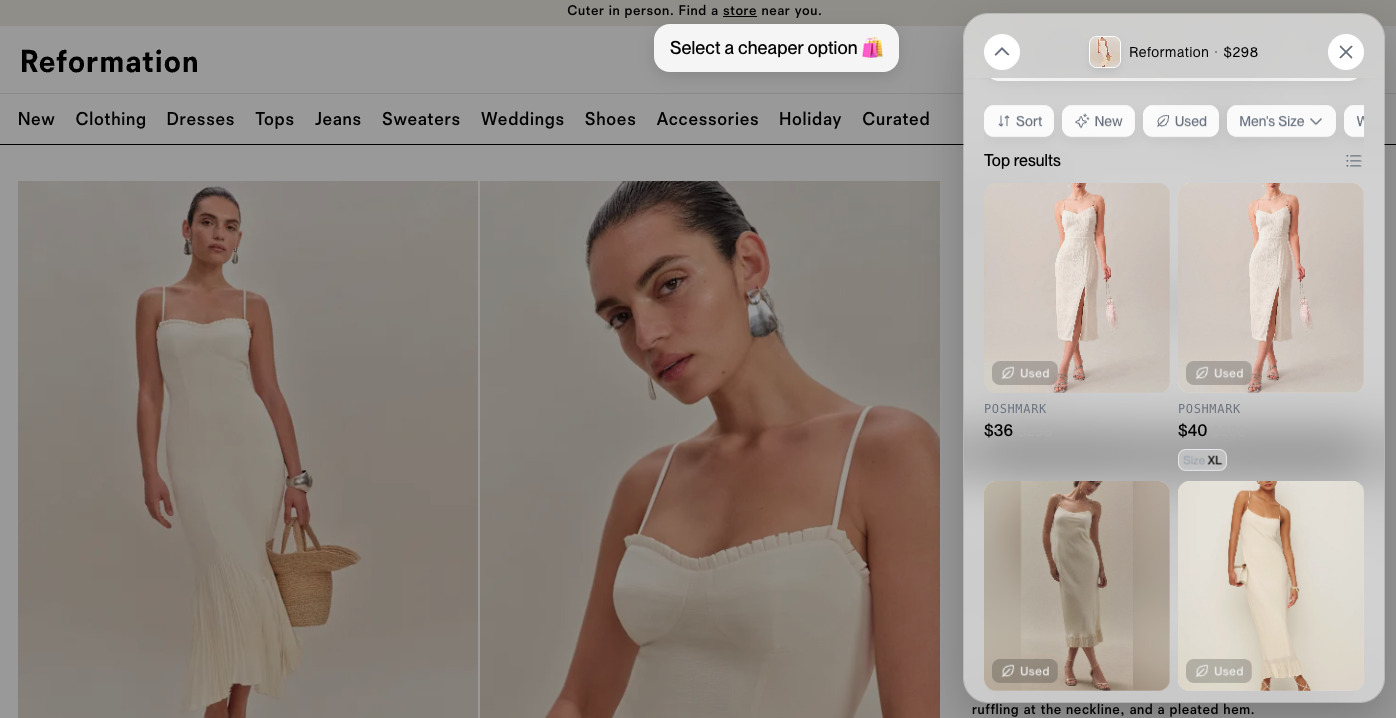
AI-driven browser extensions and apps are revolutionizing the comparison shopping vertical. We use tools such as Phia and ModeSens, to allow customers to be introduced to visually similar, personalized, and sometimes lower-cost alternatives, making shopping easier than ever. Many softwares allow affiliate tracking, enabling a seamless connection between discovery, purchase and tracking. As AI capabilities advance, we expect AI-powered affiliate experiences to increase drastically in 2026. Receiving custom product recommendations has never been easier and overall enhances conversions. Knowing there may be increased competition in the comparison marketing space, it is important to keep DTC affiliate commissions competitive with other retailers and ensure customers are getting the best deal.
Affiliate marketing is no longer just coupon codes—it’s a complex ecosystem powered by editorial commerce, UGC creators and those that have influence in their communities. To succeed, brands need to embrace multi-channel strategies, invest in mutually beneficial affiliate partnerships, and leverage emerging platforms and AI innovations.
Want to master the affiliate marketing frontier ahead of 2026 spending? The future is creator-driven, AI-enhanced, and retailer-integrated—get ready to innovate or get left behind – reach out to hanna_kron@dkcnews.com to schedule an intro call with Hanna and Cate.